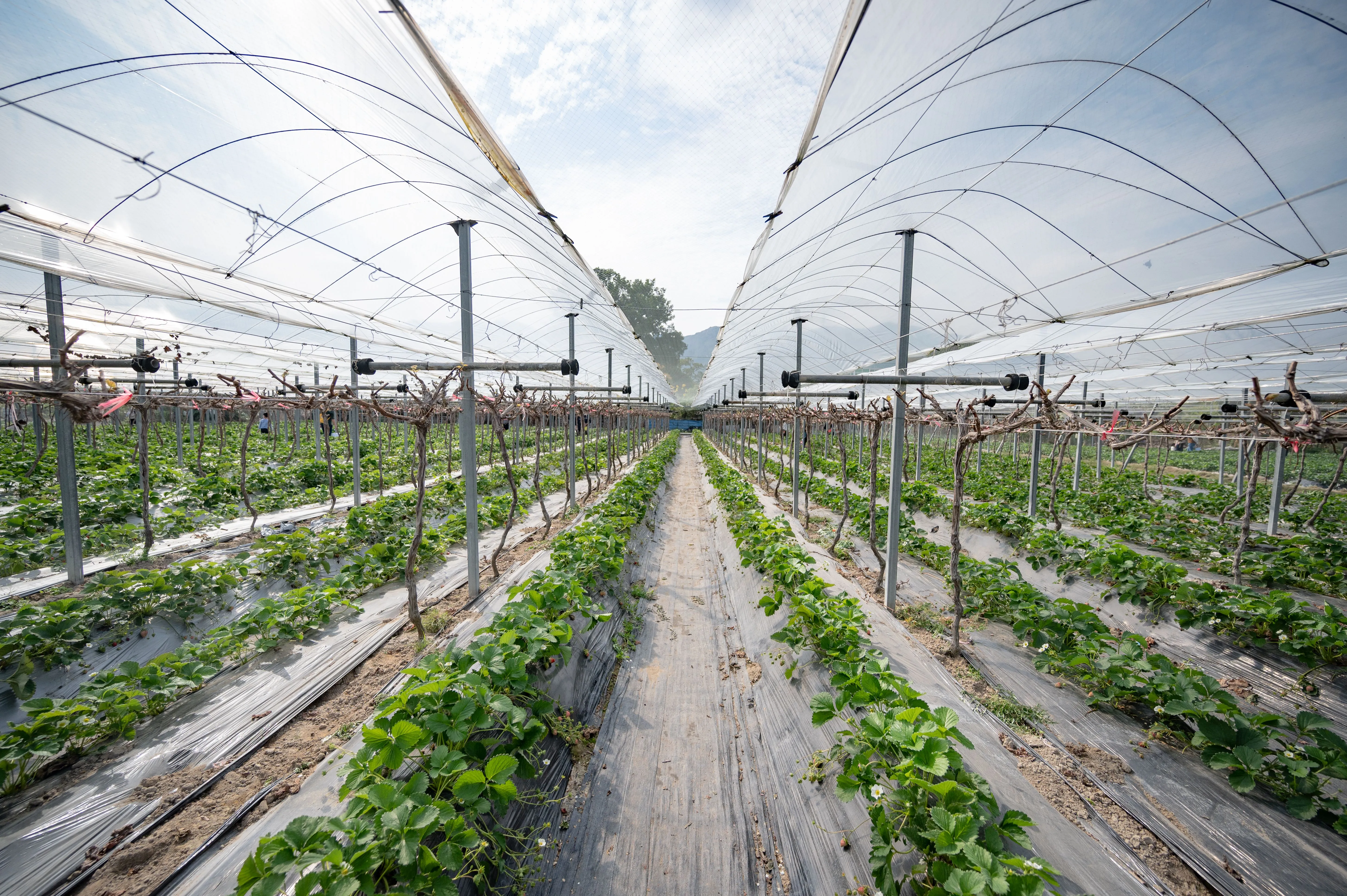
Wet & Organic Waste
Kitchen and canteen waste, food processing residue, garden and horticultural trimmings. Processed through composting or bio-methanation, returning compost or biogas instead of methane from a dumpsite.
01 / 06 GPCB Authorised
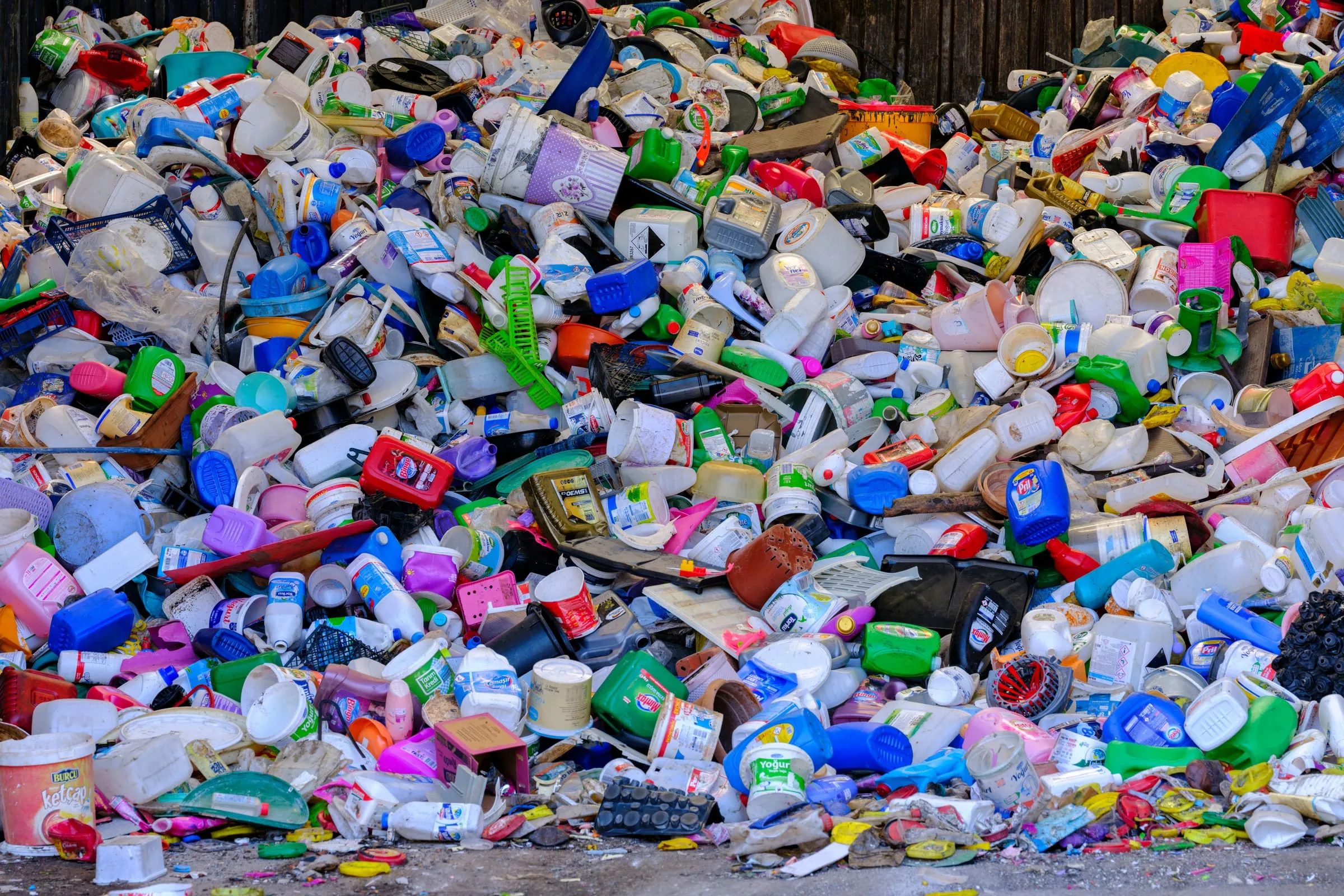
Solid Waste Management
Segregated collection, material recovery, composting and scientific disposal for campuses, industrial estates, commercial complexes and urban local bodies - with diversion measured, not claimed.
The Challenge
India generates more than 160,000 tonnes of municipal solid waste every day, and a large share still reaches unlined dumpsites. Yet the majority of it is wet organic waste that could be composted and dry recyclables that hold real market value. What makes it landfill is not its nature - it is the fact that it was mixed.
The Solid Waste Management Rules, 2016 place a duty on every waste generator to segregate at source into biodegradable, non-biodegradable and domestic hazardous fractions, and make bulk generators - campuses, hotels, hospitals, gated communities, industrial units - responsible for arranging processing of their own waste.
Advait Green operates that system end to end: bin infrastructure and segregation training, routed collection, material recovery facility sorting, organic processing, recyclable channelisation and documented disposal of the genuine residue only.
SWM Rules, 2016 Aligned
Measured diversion from landfill
Waste Streams
Kitchen and canteen waste, food processing residue, garden and horticultural trimmings. Processed through composting or bio-methanation, returning compost or biogas instead of methane from a dumpsite.
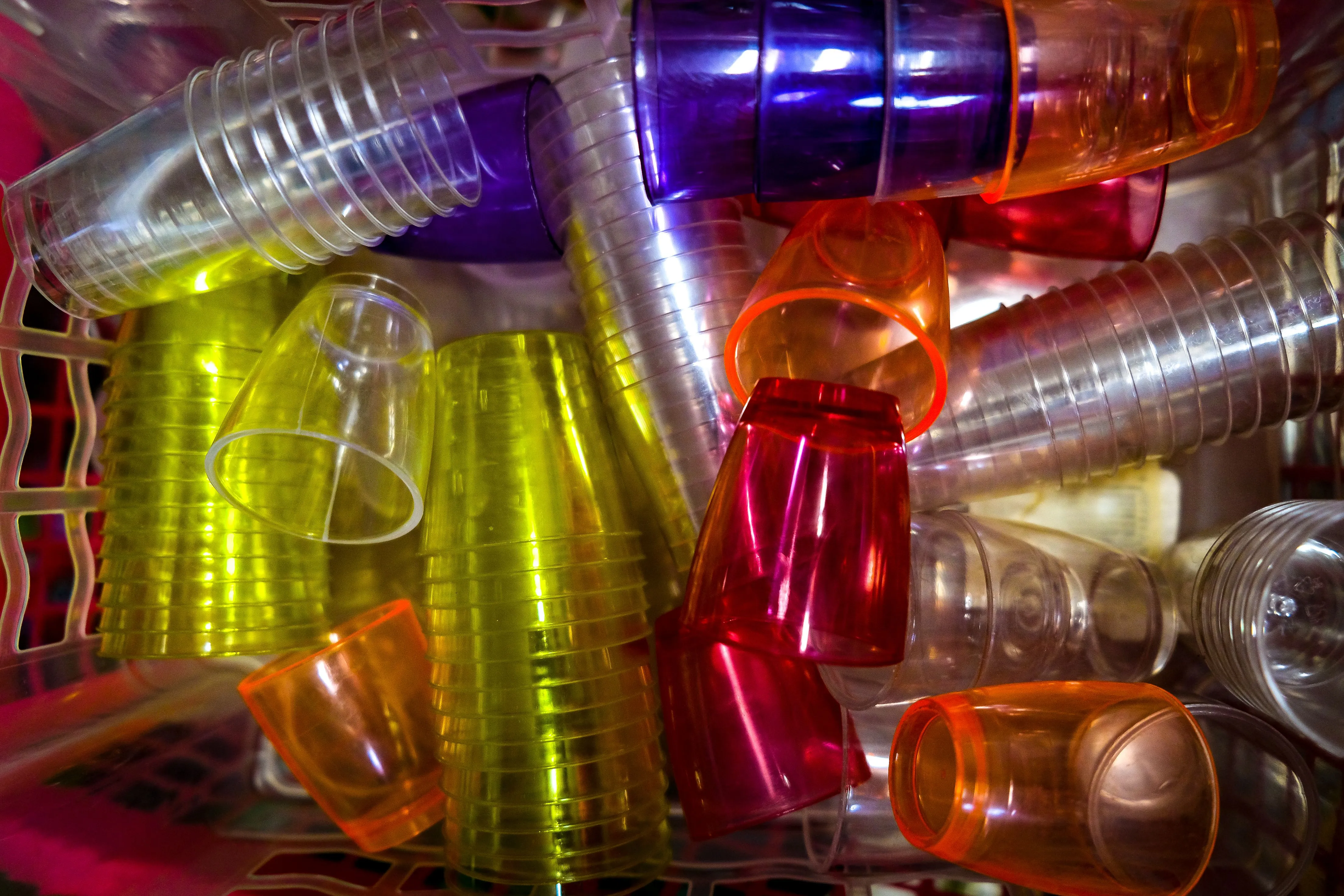
Paper, cardboard, plastics, glass, metals and tetra packs recovered at our material recovery facility, baled by grade and channelised to authorised recyclers with weight records per stream.
Packaging waste, wooden pallets, rejected material, process residues and general factory sweepings - sorted for recovery with only genuinely non-recoverable fractions sent for disposal.
Concrete, masonry, tiles, wood and metal from renovation and demolition activity, channelled to authorised C&D processing facilities rather than informal dumping.
Batteries, tube lights, CFLs, paints, solvents, aerosols and expired chemicals separated from the general stream and routed to authorised hazardous waste handlers.
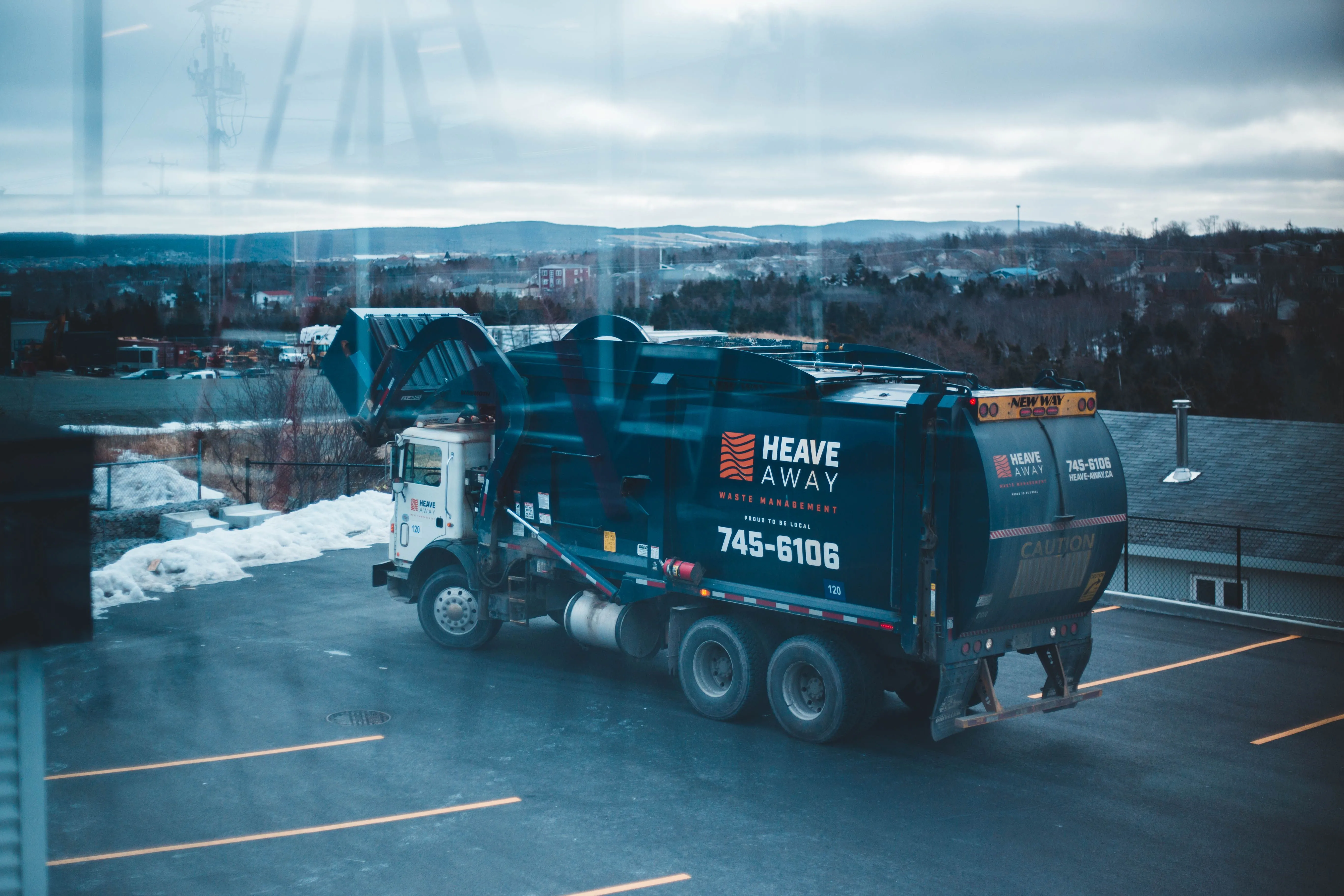
Full-scope waste management for campuses, gated communities, hotels, malls and industrial estates - infrastructure, manpower, routing, processing and monthly diversion reporting.
How It Works
Colour-coded bin infrastructure at every generation point, with signage, staff briefing and periodic audits to keep segregation quality from drifting.
Stream-separated collection on a fixed route and schedule, with vehicle-level weight capture so quantities are recorded at the point of pickup.
Sorting at our MRF into marketable grades - polymer type, paper grade, metal category - with contaminants and rejects separated out.
Monthly diversion reports by stream, with only the genuine non-recoverable residue sent to an authorised landfill or waste-to-energy facility.
Baled recyclables delivered to authorised processors, with weighbridge records and destination documentation per consignment.
Wet waste directed to composting or bio-methanation, converting the largest fraction of the stream into compost or energy instead of landfill methane.
Colour-coded bin infrastructure at every generation point, with signage, staff briefing and periodic audits to keep segregation quality from drifting.
Stream-separated collection on a fixed route and schedule, with vehicle-level weight capture so quantities are recorded at the point of pickup.
Sorting at our MRF into marketable grades - polymer type, paper grade, metal category - with contaminants and rejects separated out.
Wet waste directed to composting or bio-methanation, converting the largest fraction of the stream into compost or energy instead of landfill methane.
Baled recyclables delivered to authorised processors, with weighbridge records and destination documentation per consignment.
Monthly diversion reports by stream, with only the genuine non-recoverable residue sent to an authorised landfill or waste-to-energy facility.
Why It Matters
Meets the source segregation and on-site processing duties the Solid Waste Management Rules, 2016 place on bulk waste generators.
Diverting wet waste from landfill removes the single largest source of methane in the municipal waste stream.
Clean, segregated recyclables carry real market value - value that mixed waste destroys before it ever reaches a sorting line.
Monthly weight data by stream gives you a defensible landfill diversion percentage instead of an estimate.
Documentation that supports green building ratings, Swachh Survekshan submissions and corporate sustainability disclosures.
Scheduled, stream-separated collection ends overflowing bins, informal picking and the odour and pest problems that follow.
Hover to pause
Why Us
Segregation infrastructure, routed collection and material recovery run as one system - with diversion reported in weights, not adjectives.
The Rules make every waste generator responsible for segregating waste at source, and require bulk generators to arrange for processing of biodegradable waste within their own premises or through an agreed facility. Handing mixed waste to a collector does not discharge that duty.
We build the operating system around it - bins, briefing, routes, sorting, processing and the monthly record that shows what actually happened to each stream.
Discuss a Site AssessmentSupport with local body registration and the undertakings bulk generators must file.
Collection weights captured per stream, per pickup - the basis of any credible diversion claim.
Records of where each recovered stream went, and to which authorised processor.
Staff and resident training with periodic bin audits to keep segregation quality stable.
We will run a characterisation study on your site - a week of segregated weighing - and show you exactly what you are currently sending to landfill.